Tag: ecommerce photography

  • Amazon Product Photography Equipment List: What You Actually Need to Shoot Like a Pro

    Amazon Product Photography Equipment List: What You Actually Need to Shoot Like a Pro

    You’re bleeding money on PPC because your main image CTR is 0.8% instead of 2.5%. That’s not a photography problem. That’s a $50,000 revenue problem. And before you drop $5k on camera gear thinking it’ll fix everything, let me save you from yourself.

    I’ve shot over 10,000 Amazon listings. Started with a $300 setup. Now run a $2M photography business. The difference between amateur hour and professional Amazon product photography isn’t the price tag on your camera. It’s knowing exactly what amazon product photography equipment list you need for each shot type.

    Most sellers buy the wrong gear because they listen to YouTube photographers who’ve never sold a single unit on Amazon. They’ll tell you to buy a full-frame camera when your phone shoots better product photos. They’ll push $800 lenses when a $50 light tent would triple your conversion rate.

    Here’s what you actually need. With prices. With specific model numbers. With the math on why each piece pays for itself.

    Camera Equipment That Actually Matters for Amazon

    The Camera Body Breakdown

    Stop obsessing over cameras. Your 2020 iPhone shoots 4K. Amazon’s maximum image requirement is 2560 x 2560 pixels. That’s 6.5 megapixels. Your phone has 12+. Do the math.

    But if you’re shooting 50+ SKUs per month, get a real camera. Not for image quality. For workflow efficiency. Here’s what works:

    • Canon EOS Rebel T7i ($600 used) – Shoots tethered to laptop, 24MP is overkill but gives cropping room
    • Sony a6400 ($800 used) – Better autofocus for lifestyle shots, flip screen for overhead angles
    • Fujifilm X-T30 ($700 used) – Best JPEG color science, saves 2 hours of editing per 100 photos

    Skip full-frame. You’re shooting at f/8-f/11 for maximum sharpness anyway. APS-C sensors give you more depth of field at the same aperture. That means sharper product edges. That means higher perceived value. That means better conversion rates.

    Lens Selection for Product Photography

    You need exactly two lenses for Amazon product photography. Anyone selling you a lens collection is picking your pocket.

    Primary Lens: 50mm or 60mm Macro

    • Canon EF-S 60mm f/2.8 Macro ($400) – Sharpest lens under $500, perfect for detail shots
    • Sigma 50mm f/2.8 Macro ($300) – 90% as good, works on multiple brands
    • Tamron 60mm f/2 Macro ($400) – Fastest autofocus for lifestyle shots

    Secondary Lens: 24-70mm Zoom

    • Tamron 28-75mm f/2.8 ($500 used) – Covers every angle without moving tripod
    • Sigma 24-70mm f/2.8 ($600 used) – Sharper corners for flat lay compositions

    That 85mm portrait lens your photographer friend recommended? Useless. You’d need to shoot from across the room. The 35mm for “natural perspective”? Too wide. Makes products look distorted. Kills trust. Kills sales.

    Memory Cards and Backup Strategy

    Lost photos mean reshoot costs. Reshoot costs mean delayed launches. Delayed launches mean lost rank. Get this right.

    • Primary Cards: SanDisk Extreme Pro 64GB ($25 each) – Buy 4, rotate weekly
    • Backup System: Shoot RAW+JPEG to dual card slots, or tether directly to computer
    • File Naming: SKU_ShotNumber_Date (B08XYZ_01_20240315.jpg)

    Set your camera to sequential file numbering. Nothing worse than having IMG_001.jpg from 15 different shoots. Your VA will mix them up. Your listings will have the wrong images. Your conversion rate will tank.

    Lighting Setup for Amazon Product Photography
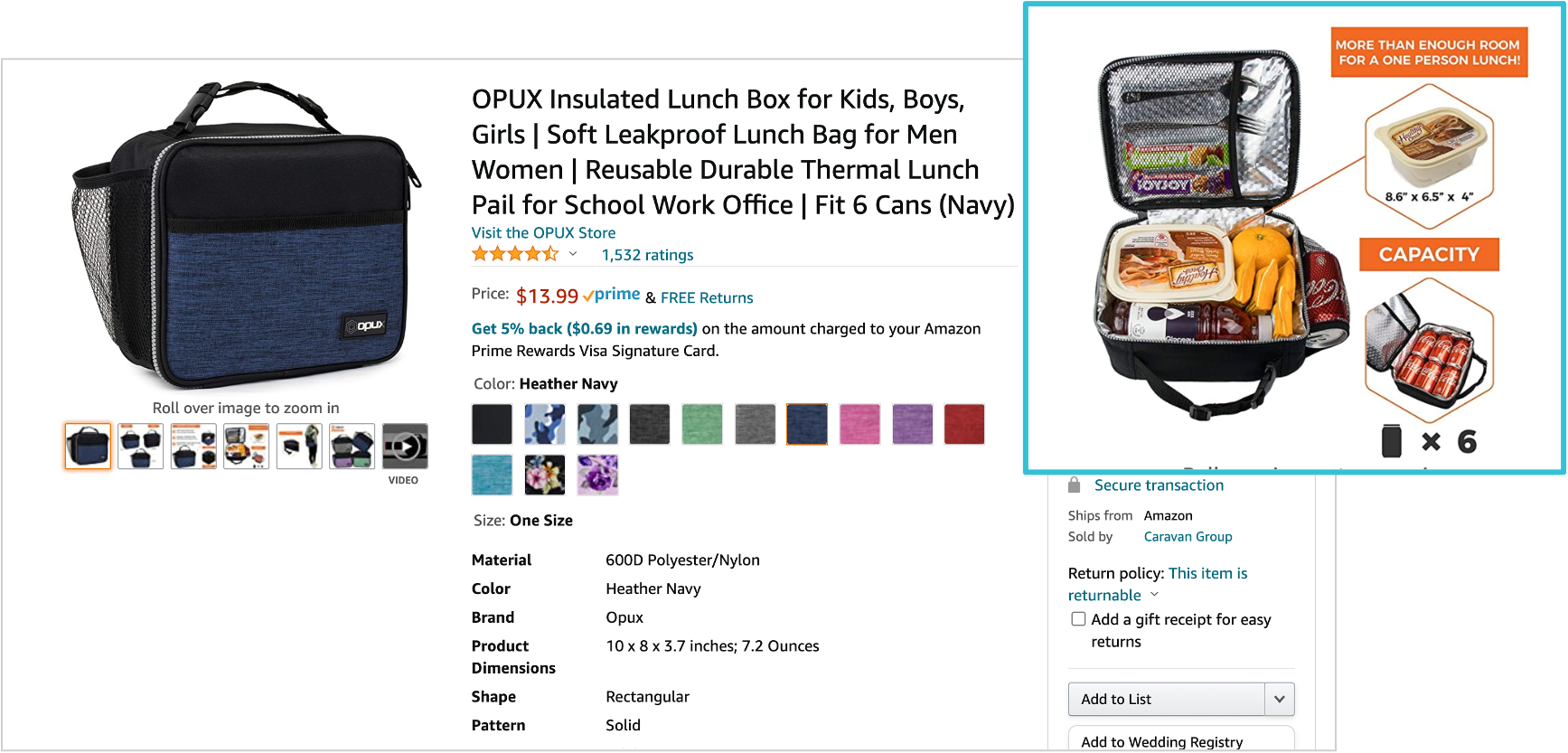
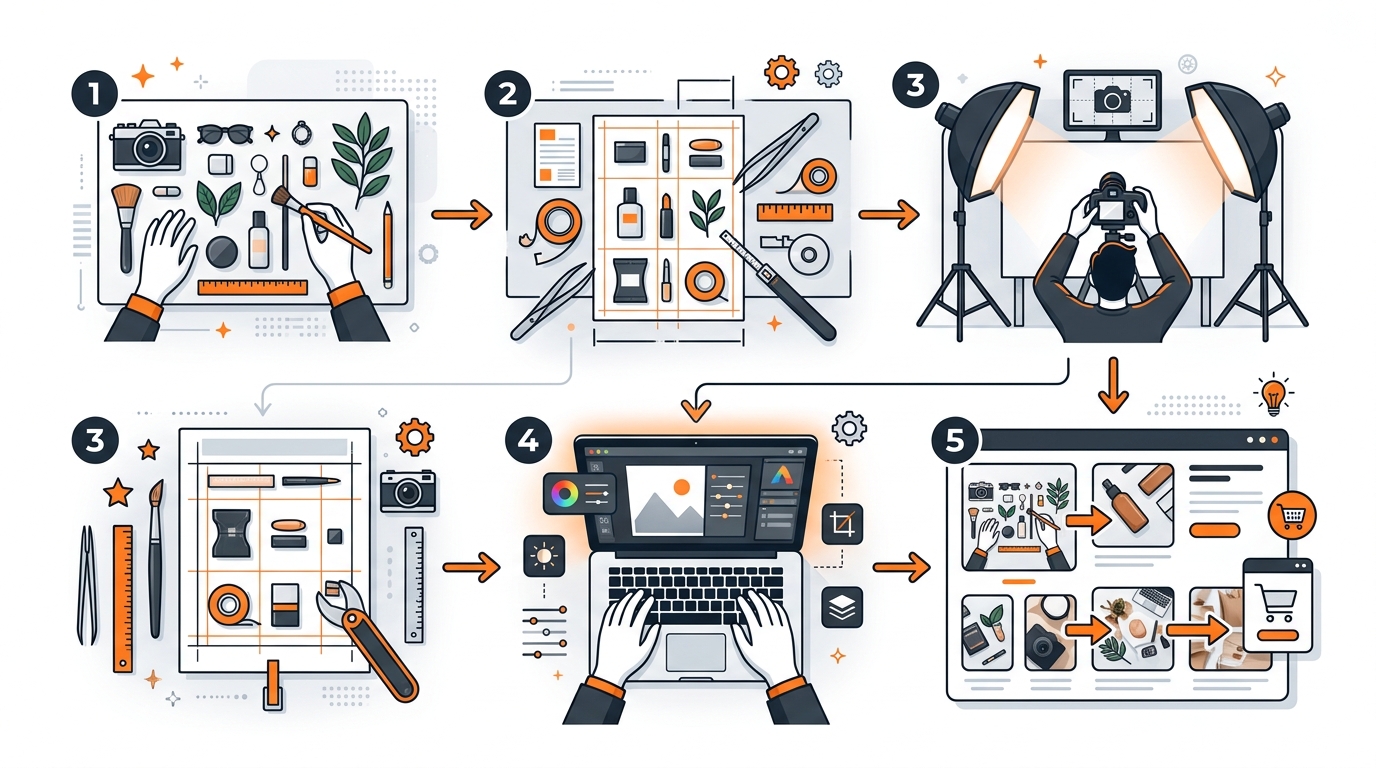
    Amazon listing example for amazon product photography equipment list

    Continuous Lighting vs. Strobes

    Forget strobes. You’re not Annie Leibovitz. You’re trying to show a garlic press clearly enough that Karen in Ohio clicks “Add to Cart.” Continuous lighting shows you exactly what you’re getting. No test shots. No guessing. No wasted time.

    Basic 2-Light Setup ($300 total):

    • 2x Neewer 660 LED Panels ($120 each) – 3200K-5600K adjustable, battery or AC power
    • 2x Light stands ($30 total) – Get 8-footers, you’ll need the height

    Professional 3-Light Setup ($800 total):

    • 2x Godox SL-60W ($150 each) – Bowens mount for modifiers, silent fans
    • 1x Aputure MC RGBWW ($90) – Fill light for shadows, color accents for lifestyle
    • 3x C-stands ($150 total) – Rock solid, worth every penny over cheap stands

    Color temperature matters. Amazon’s algorithm can suppress listings with color-shifted main images. Shoot at 5500K (daylight). Every time. No exceptions.

    Light Modifiers That Create Sales

    Raw LED light makes products look like crime scene evidence. You need diffusion. You need control. You need modifiers.

    Essential Modifiers:

    • Softbox 24″x24″ ($40): Your workhorse for main lighting
    • Reflector 5-in-1 42″ ($25): Fill shadows, create highlights, block light
    • Diffusion fabric 6×6′ ($30): Turns window light into studio light
    • Black foam core 20×30″ ($15 for 10): Control reflections, create negative fill

    That $200 octabox the YouTube guy recommended? Too big for products under 12 inches. Creates flat lighting. Flat lighting creates flat sales.

    Light Meter or Histogram?

    Light meters are for film photographers and people who like spending money. Your camera has a histogram. Use it. White backgrounds should peak at 245-250. Pure white (255) with detail loss gets flagged by Amazon’s image review.

    Shoot manual mode. ISO 100. Aperture f/8-f/11. Adjust shutter speed until histogram looks right. Takes 5 seconds. Saves $300.

    Background Systems and Surface Options
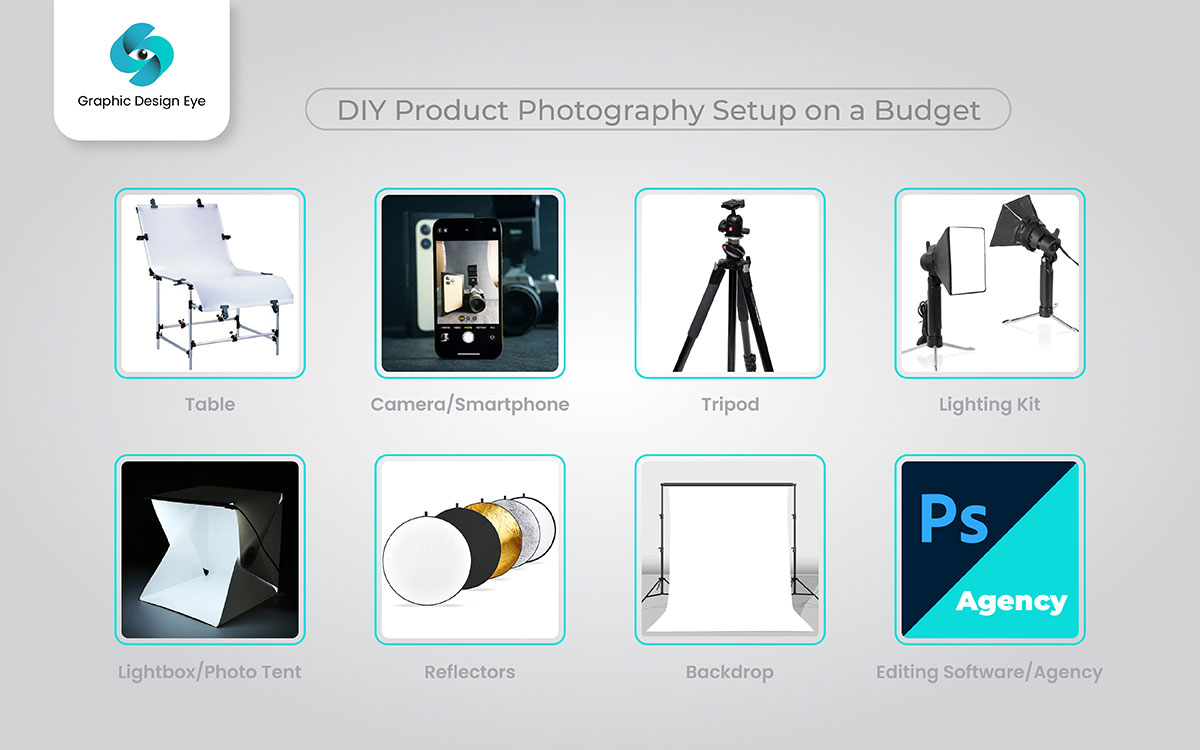
    Product photography setup for amazon product photography equipment list

    White Background Solutions

    Amazon requires pure white backgrounds for main images. RGB 255,255,255. No negotiations. Here’s how to nail it every time.

    Small Products (under 12″):

    • Light tent 24″x24″ ($50) – Foolproof white backgrounds, built-in diffusion
    • Plexiglass sheet 24″x36″ ($40) – Creates reflections for premium look
    • Seamless paper 53″ wide ($35/roll) – Lasts 200+ shots if you’re not an animal

    Large Products (over 12″):

    • Savage Seamless Paper 9′ wide ($65/roll) – Industry standard, comes in 40+ colors
    • Background support system ($100) – Holds paper, fabric, or vinyl up to 10′ wide
    • White cyc wall boards ($200 DIY) – Permanent solution for high-volume shooting

    Skip the pop-up backgrounds on Amazon. They wrinkle. They reflect weird colors. They make your $50 product look like it costs $5.

    Lifestyle and Infographic Backgrounds

    Lifestyle shots sell the dream. Infographics sell the features. Both need the right backgrounds.

    Lifestyle Surfaces:

    • Replica Surfaces boards ($40-80 each) – Wood, marble, concrete textures that photograph perfectly
    • Vinyl backdrop rolls ($30 each) – Wipe clean, no seams, hundreds of patterns
    • Real materials kit ($100) – Actual wood planks, tiles, fabrics for authenticity

    Infographic Backgrounds:

    • Colored seamless paper (basics) – Keep 5 colors: white, black, gray, brand color, complement color
    • Gradient vinyl backdrops ($40) – Creates depth without Photoshop
    • Custom printed vinyl ($80) – Your exact brand colors, unlimited reuse

    Surface Preparation Tools

    Dirty backgrounds kill sales. Dust shows. Fingerprints show. That one dog hair shows. Keep it clean.

    • Giottos Rocket Blower ($15): Removes dust without touching
    • Microfiber cloths ($10/dozen): For plexiglass and vinyl
    • Tape roller ($5): Fabric backgrounds and props
    • Alcohol wipes ($10): Removes adhesive residue, fingerprints

    Support Equipment and Accessories

    Tripod Selection for Stability

    Hand-holding for product photography is like driving drunk. You think you’re fine until you see the results. Get a tripod. Get a good one.

    Recommended Tripods:

    • Manfrotto 055 series ($200): Bombproof, 20-year lifespan, horizontal column for overhead shots
    • Sirui T-025X ($130): Carbon fiber, lighter than your camera, surprisingly stable
    • Neewer Heavy Duty ($80): Good enough if you’re starting out, upgrade within a year

    Ball heads are faster. Geared heads are more precise. For Amazon photography, speed wins. Get a ball head rated for 2x your camera weight.

    Tethering and Remote Solutions

    Chimping (checking every shot on camera) wastes 20 minutes per hundred photos. Tether to a laptop or use wireless transfer. See issues immediately. Fix them once.

    Tethering Options:

    • USB-C cable 15ft ($20): Direct connection, zero lag, most reliable
    • CamRanger 2 ($300): Wireless tethering to tablet/phone, works with all brands
    • Camera brand apps (free): Usually suck but better than nothing

    Software for Tethering:

    • Lightroom ($10/month): Tether, shoot, edit in one program
    • Capture One ($20/month): Better tethering, steeper learning curve
    • Brand software (free): Canon EOS Utility, Nikon Camera Control, Sony Imaging Edge

    Product Positioning Tools

    Products don’t float. They don’t stand at perfect angles. They need help. This is your toolkit.

    Essential Positioning Kit:

    • Museum putty ($5): Invisible support, doesn’t damage products
    • Fishing line 10lb test ($5): Invisible suspension for floating effects
    • A-clamps variety pack ($25): Hold everything in place
    • Acrylic blocks set ($30): Clear risers for multi-level compositions
    • Glue dots ($10): Temporary adhesive for paper and fabric

    Hot glue gun? Only if you hate your products. Tape? Visible in reflections. Wire? Creates shadows. Stick to the list.

    Post-Processing Hardware Requirements
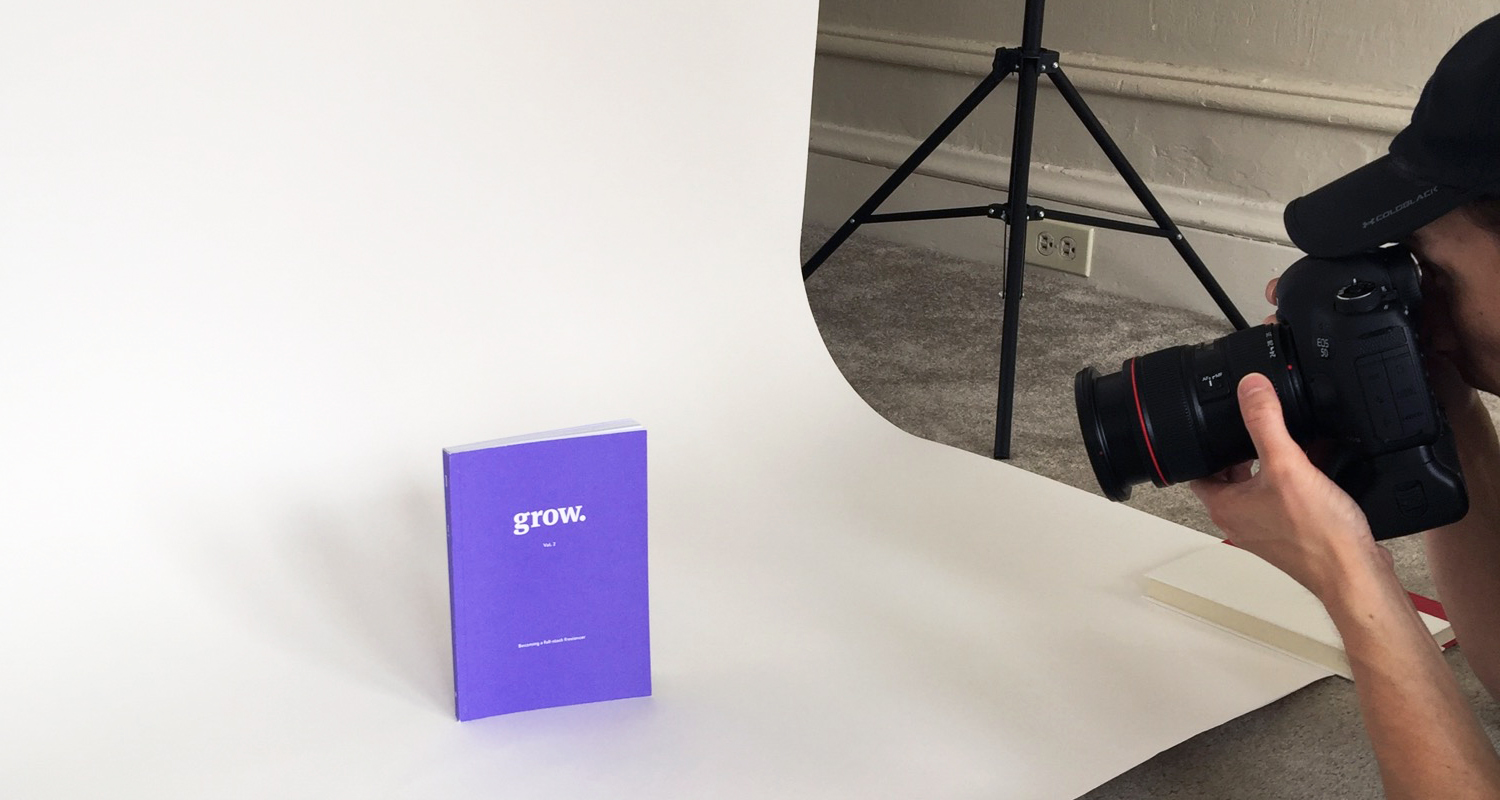
    Professional product image example for amazon product photography equipment list

    Computer Specifications for Photo Editing

    Your 2015 laptop taking 30 seconds to open a RAW file? That’s costing you $50/hour in productivity. Time to upgrade.

    Minimum Specs for Amazon Photography:

    • CPU: Intel i5 10th gen or AMD Ryzen 5 3600
    • RAM: 16GB (32GB if you’re doing composites)
    • Storage: 500GB SSD for OS/software, 2TB HDD for photo storage
    • GPU: Dedicated graphics with 4GB VRAM (GTX 1650 or better)

    Recommended Build ($1200):

    • AMD Ryzen 7 5700X
    • 32GB DDR4 RAM
    • 1TB NVMe SSD + 4TB HDD
    • RTX 3060 12GB

    Mac vs PC? Doesn’t matter. Both edit photos. Pick based on your ecosystem. But dollar-for-dollar, PC gives you twice the performance.

    Monitor Calibration for Color Accuracy

    Your monitor showing colors wrong means your photos look different on customer screens. Different colors mean different perceived quality. Different quality means different conversion rates.

    Monitor Requirements:

    • IPS panel (mandatory for color accuracy)
    • 99% sRGB coverage minimum
    • 27″ or larger (see details clearly)
    • 1440p resolution minimum

    Recommended Monitors:

    • BenQ SW2700PT ($500): Hardware calibration, 99% Adobe RGB
    • ASUS ProArt PA278QV ($300): Best value, pre-calibrated
    • LG 27UK850 ($400): 4K for detail work, USB-C charging

    Calibration Tools:

    • Datacolor SpyderX Pro ($170): Calibrate monthly, takes 5 minutes
    • X-Rite i1Display Studio ($180): More accurate, worth it for high volume

    Storage and Backup Solutions

    One drive failure can cost you 1000 photos. 1000 photos represents $50,000 in product inventory you’d need to reshoot. Back. Everything. Up.

    Storage Strategy:

    • Working drive: 1TB NVMe SSD for current projects
    • Archive drive: 8TB HDD for completed work ($150)
    • Backup drive: Duplicate of archive drive ($150)
    • Cloud backup: Backblaze ($6/month) or Amazon Photos (free with Prime)

    RAID arrays? Overkill unless you’re shooting 500+ SKUs monthly. Time Machine or Windows Backup? Not enough. You need versioned backups and offsite storage.

    Specialized Equipment for Different Product Types

    Lifestyle product photography for Amazon listings

    Jewelry and Small Item Photography

    Jewelry photography separates the pros from the wannabes. One fingerprint, one dust speck, one tiny scratch invisible to the naked eye becomes a canyon on screen.

    Jewelry-Specific Gear:

    • Macro rails ($150): Precise focus stacking for ultimate sharpness
    • LED light panels 6″ ($40/pair): Small lights for small products
    • Cone reflectors set ($25): Eliminate dark spots in gems
    • Jewelry wax ($15): Secure without residue
    • Anti-static brush ($20): Removes dust you can’t see

    Shooting Platform Options:

    • Plexiglass riser system ($60): Creates floating effect
    • Necklace bust displays ($30/set): Shows proper drape
    • Ring slot foam ($20): Multiple angles without touching

    Large Product Photography Solutions

    Furniture, exercise equipment, outdoor gear. Different beast. Your 24″ softbox looks like a joke next to a treadmill.

    Large Product Essentials:

    • Paul C. Buff Einstein 640 ($500/each): Actual power for big modifiers
    • Westcott Scrim Jim 6×6′ ($200): Massive diffusion for even light
    • Avenger C-stands ($80/each): Heavy duty for heavy modifiers
    • Seamless paper 12′ wide ($120): No visible seams on wide products

    Shoot in a garage or warehouse. Your spare bedroom won’t cut it. Need 15-20 feet minimum between camera and product for proper perspective.

    Reflective and Transparent Products

    Glass, chrome, polished surfaces. These products show everything. Including your reflection, your light stands, and that exit sign across the room.

    Reflection Control Kit:

    • Black velvet fabric ($40): Absorbs all light, kills unwanted reflections
    • Dulling spray ($15): Temporary matte finish for impossible shots
    • Polarizing filter ($100): Cuts reflections at the lens
    • Light tent modifications: Cut strategic holes for lens, add black cards

    Glass Photography Specific:

    • Black plexiglass ($60): Creates dramatic look for glassware
    • Strip softboxes 12″x36″ ($80/pair): Perfect edge lighting
    • Background gradient kit: Shows transparency clearly

    Budget Equipment Packages by Business Stage

    Starter Package ($500-800 Total)

    Just launched your first product? Testing the waters? Here’s your amazon product photography equipment list to start:

    • Camera: Use your phone + $30 tripod mount
    • Lighting: 2x Neewer 660 LED panels ($240)
    • Background: Light tent 24″ ($50) + seamless paper ($35)
    • Support: Basic tripod ($80) + light stands ($30)
    • Accessories: Reflector ($25) + positioning kit ($50)
    • Computer: Your existing laptop + free software

    Total damage: $540. Pays for itself with one product that doesn’t fail because of terrible photos.

    Growth Stage Package ($2000-3000)

    Doing $50K+/month? Time to stop half-assing your imagery. The math is simple. Better photos = higher CTR = lower PPC costs = more profit.

    • Camera: Canon T7i + 60mm macro ($1000)
    • Lighting: 3x Godox SL-60W + modifiers ($600)
    • Background: Full support system + multiple surfaces ($300)
    • Support: Manfrotto tripod + quality accessories ($400)
    • Computer: Monitor upgrade + calibrator ($500)
    • Software: Adobe Photography plan ($120/year)

    This setup handles 95% of Amazon photography needs. The other 5% needs a specialist anyway.

    Professional Setup ($5000+)

    Shooting for multiple brands? Running an agency? Your equipment needs change. It’s not about quality anymore. It’s about speed and consistency.

    • Camera: Sony a7R IV + 90mm macro + 24-70mm ($4000)
    • Lighting: 4x Profoto B10 + modifiers ($8000) OR 4x Godox AD400 Pro ($2400)
    • Background: Permanent cyc wall + every surface option ($1000)
    • Support: C-stands, boom arms, rails ($1000)
    • Computer: Dedicated workstation + dual monitors ($3000)
    • Workflow: Capture One + cloud storage + DAM system ($500/year)

    ROI calculation: If you’re shooting 50 products/week at $400/set, that’s $80K/month revenue. Equipment cost becomes irrelevant. Speed and reliability drive profit.

    Related Articles

    • DIY Amazon Product Photography Setup: Build a $200 Studio That Gets Results
    • Product Photography Lighting for Amazon: Step-by-Step Setup Guide for Professional Results
    • Amazon Product Photography Pricing Breakdown: What Actually Drives ROI in 2024

    Frequently Asked Questions

    What’s the most important piece of equipment for Amazon product photography?

    Lighting beats everything else. A phone with good lighting crushes a $5000 camera with bad lighting. Start with two LED panels and white backdrop. You can shoot 80% of products with just this. Worry about cameras and fancy gear after you master light control.

    Do I really need to shoot in RAW format?

    Only if you’re doing heavy editing or have difficult products like jewelry or glass. RAW files are 5x larger than JPEGs and need processing. For basic white background shots, JPEG is fine. Set your camera to highest quality JPEG and nail exposure in-camera. Saves hours of processing time.

    How much should I budget for a complete Amazon photography setup?

    Start with $500-800 for basic gear that handles most products. Reinvest profits into better equipment as you grow. Once you’re doing $50K+/month in revenue, upgrade to a $2000-3000 setup. The improved photos will pay for equipment in 2-3 months through better conversion rates.

    Is it worth buying used photography equipment?

    Absolutely. Cameras and lenses hold value well. Buy used from KEH, MPB, or B&H Photo for warranty protection. Avoid used LED panels (they degrade) and backgrounds (usually trashed). New shooters blow money on new gear then quit. Their loss is your gain.

    What software do I need for Amazon product photography?

    Start with free options like GIMP or Darktable. Once profitable, Adobe Photography plan ($10/month) gives you Lightroom and Photoshop. That covers everything from basic editing to complex composites. Capture One ($20/month) is marginally better but not worth 2x price for most sellers.
  • Flat Lay Product Photography for Ecommerce: A Complete Setup Guide for Amazon Sellers

    Flat Lay Product Photography for Ecommerce: A Complete Setup Guide for Amazon Sellers

    Your product images convert at 2.3% while your competitor hits 8.7% with identical pricing. The difference isn’t your product quality or PPC budget. It’s your photography. Flat lay product photography for ecommerce has become the secret weapon for Amazon sellers who understand that visual storytelling drives conversions more than any other listing element.

    Flat lay photography captures products from directly above, creating clean, organized compositions that buyers trust. This technique works because it mimics how customers naturally examine products in physical stores – by laying items out to compare features, size, and included components.

    The data backs this up. Studies show that product pages with professional flat lay images convert 30-40% higher than standard product shots. For a $50 product with 1,000 monthly visitors at 3% conversion rate, improving to flat lay photography could add $450-600 monthly revenue from better image strategy alone.

    Equipment Setup for Professional Flat Lay Photography

    Camera and Lens Selection

    Stop overthinking camera gear. A DSLR or mirrorless camera with a 50mm lens handles 90% of flat lay work better than expensive wide-angle setups. The 50mm focal length eliminates perspective distortion that makes products look warped or unnatural.

    Mount your camera on a boom arm or overhead rig positioned 24-36 inches above your shooting surface. This distance gives you the working room to arrange products while maintaining sharp focus across the entire frame. Budget $150-300 for a sturdy boom arm that won’t drift during shoots.

    Set your aperture to f/8 or f/11 for maximum sharpness. These apertures hit the sweet spot where your lens performs best while keeping the entire product in focus. Shoot at ISO 100-200 to minimize noise. Your shutter speed will be 1/60th to 1/125th with proper lighting setup.

    Lighting Equipment That Actually Works

    Forget the ring light recommendations you see everywhere. Two large softboxes positioned at 45-degree angles create the even, shadow-free lighting that flat lay photography for ecommerce demands. Each softbox should be 24×36 inches minimum to provide broad, soft coverage.

    Position lights 3-4 feet above your shooting surface and angle them down at 45 degrees. This setup eliminates harsh shadows while maintaining enough contrast to define product edges and textures. The key ratio should be 1:1 – both lights at equal power.

    Add a white foam core board or reflector opposite your main light source to fill in any remaining shadows. This costs $5 at any craft store and delivers professional results. Commercial reflector setups run $50-100 but offer more precise control over fill lighting.

    Background and Surface Preparation

    Pure white backgrounds remain the gold standard for Amazon main images, but lifestyle flat lays benefit from textured surfaces. Marble contact paper, weathered wood, or seamless paper create visual interest without distracting from your product.

    Your background must be large enough to extend beyond your camera’s field of view. A 4×4 foot surface handles most product arrangements with room for styling elements. Seamless paper on a roll works best – you can unroll fresh sections when the surface gets scuffed or stained.

    Keep backup backgrounds ready. White, light gray, and natural wood textures cover 95% of product categories. Electronics look sharp on white or black. Kitchen products pop on wood grain. Beauty items work well on marble or neutral stone textures.

    Composition Techniques for Maximum Conversion Impact

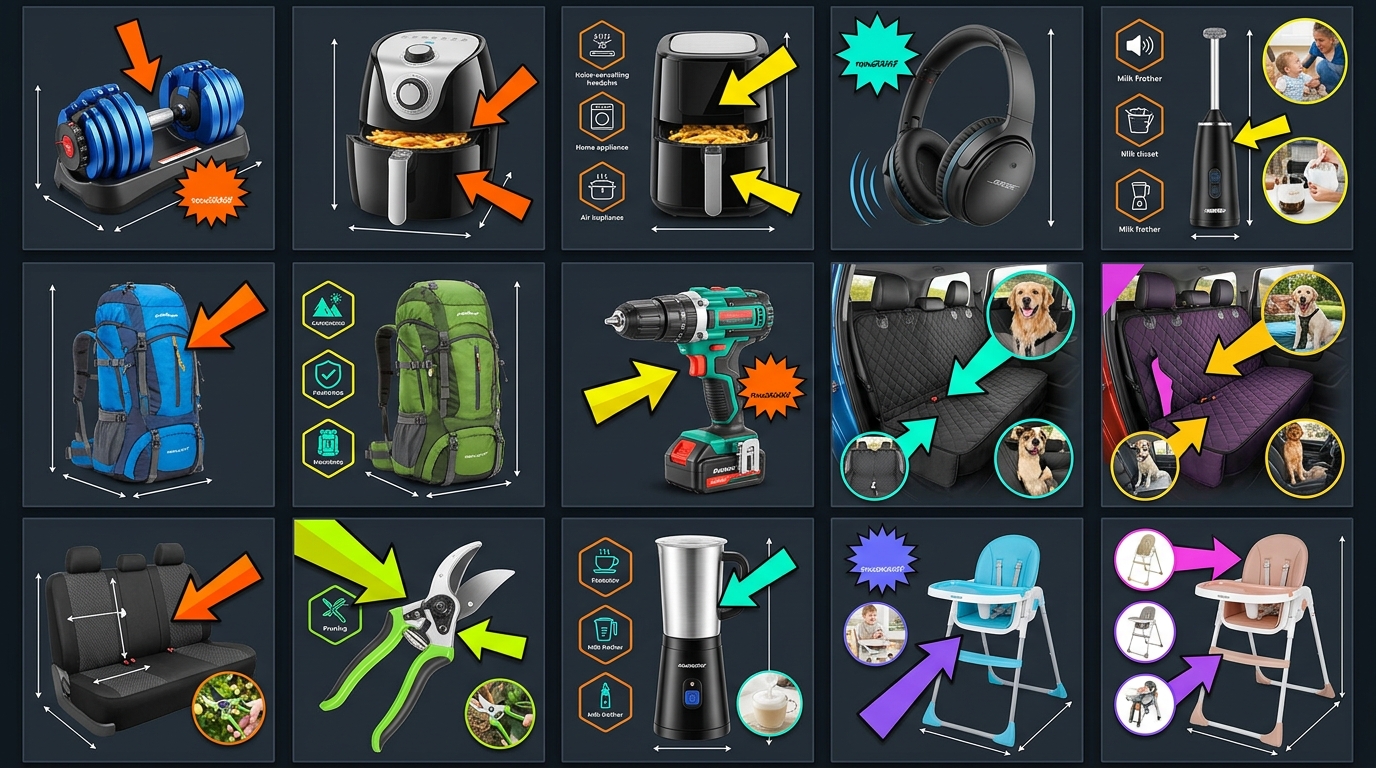
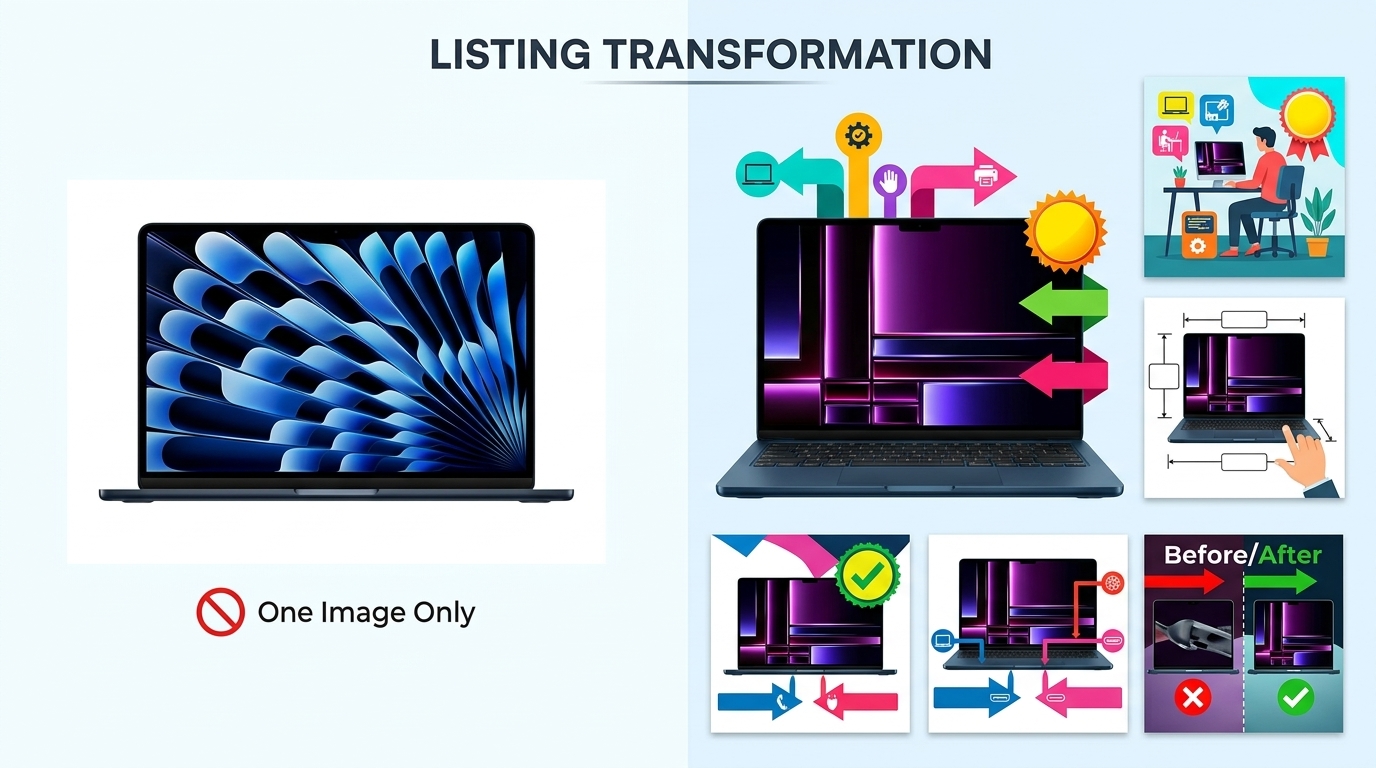
    Amazon listing image design for flat lay product photography for ecommerce

    The Rule of Thirds for Product Placement

    Your main product should occupy the center third of your frame for Amazon main images. This follows Amazon’s guidelines while ensuring your product displays clearly in search results thumbnails. Supporting elements can follow traditional rule-of-thirds placement along the outer grid lines.

    For lifestyle images and supplementary shots, position key product elements along the intersection points of your thirds grid. These natural focal points draw buyer attention to important features like control panels, ingredient lists, or size comparisons.

    Leave 20-25% negative space around your main product. This white space prevents your listing image from looking cluttered in Amazon’s search results. Remember that mobile shoppers see your images at thumbnail size first – cramped compositions kill click-through rates.

    Creating Visual Hierarchy with Size and Scale

    Your hero product should be the largest element in every composition. Supporting products, lifestyle props, or explanatory graphics should be 30-50% smaller to maintain clear visual hierarchy. This size relationship tells buyers exactly what they’re purchasing.

    Use the comparative sizing technique for products where scale matters. Include recognizable objects like smartphones, coins, or hands to demonstrate actual product dimensions. A supplement bottle next to a smartphone immediately communicates size better than any written dimension.

    Group related items by importance. Primary product features get prominent placement. Secondary benefits or included accessories should be visible but subordinate. Purely decorative elements should be minimal – they add style without stealing focus from purchase drivers.

    Color Balance and Brand Consistency

    Maintain consistent color temperature across all images in your listing. Mixed warm and cool tones confuse buyers and look unprofessional. Set your camera to daylight white balance (5600K) and adjust all lighting to match.

    Your brand colors should appear in 60% of your supplementary images through props, backgrounds, or graphic elements. This creates subconscious brand recognition as buyers scroll through your image stack. Consistency builds trust faster than creativity in ecommerce photography.

    Limit your color palette to 3-4 main colors per image. Too many competing colors create visual chaos that reduces conversion rates. Choose one dominant color, one accent color, and use neutrals for balance. This restraint makes your products appear more premium and professional.

    Product Styling and Prop Selection Strategy

    Visual guide to flat lay product photography for ecommerce

    Choosing Props That Enhance Without Distracting

    Every prop must serve a purpose. Beautiful styling means nothing if it doesn’t communicate product benefits or address buyer concerns. Your prop budget should focus on items that demonstrate use cases, show scale, or reinforce your target market positioning.

    Kitchen products need fresh ingredients or cooking implements that suggest specific recipes or occasions. Beauty products benefit from natural elements like flowers or stones that communicate clean, safe ingredients. Electronics require lifestyle context – desks, coffee shops, or travel scenarios that show real-world usage.

    Avoid props that date your images. Trendy items might look current today but will scream “2024” in two years when you’re still using the same listing images. Classic, timeless props maintain longer listing relevance and better ROI on your photography investment.

    Ingredient and Component Layouts

    For supplement and beauty brands, ingredient flat lays outperform lifestyle shots by 20-30% in conversion testing. Buyers want to see what goes into products they’re putting in or on their bodies. Fresh herbs, fruits, or recognizable natural ingredients create instant credibility.

    Arrange ingredients in odd-numbered groups – three, five, or seven items. Even numbers feel static and artificial. Create visual flow by varying heights with small bowls, cutting boards, or natural groupings. The arrangement should guide eyes from ingredients to your finished product.

    Include measured portions when relevant. Show a daily vitamin serving next to the bottle. Display the actual amount of powder in each scoop. These details answer sizing questions that drive customer service inquiries and negative reviews.

    Lifestyle Context Without Lifestyle Pricing

    You don’t need expensive lifestyle setups to show product context. Strategic cropping and prop selection can suggest luxury environments with minimal investment. A corner of marble countertop implies a full kitchen. Quality linens suggest an entire bedroom aesthetic.

    Focus on textures over expensive items. Natural wood grain, quality fabrics, or interesting stone surfaces add perceived value without breaking your photography budget. These elements suggest the lifestyle your product enables rather than showcasing wealth.

    Hands and lifestyle snippets work better than full lifestyle scenes for most Amazon products. A hand holding your product, a corner of a workspace, or a partial view of use context tells the story without dominating the composition or inflating production costs.

    Technical Photography Settings and Execution

    Camera Settings for Sharp, Professional Results

    Shoot in Manual mode for consistent results across your entire product line. Auto settings create color and exposure variations between images that hurt your listing’s professional appearance. Once you nail your lighting setup, manual settings ensure every shot matches perfectly.

    Use the histogram to verify proper exposure. Your white backgrounds should hit 240-245 on the RGB scale – bright enough to appear pure white after minor editing but not blown out to 255. This gives you editing flexibility while maintaining Amazon’s background requirements.

    Focus stacking solves depth of field challenges with thicker products. Take multiple shots at different focus points and blend them in post-processing. This technique ensures sharp detail from front to back, even at larger apertures that might be necessary in lower light conditions.

    File Formats and Amazon Optimization

    Shoot RAW files for maximum editing flexibility, but deliver high-resolution JPEGs for Amazon uploads. Your final files should be 2000×2000 pixels minimum to enable zoom functionality. Amazon recommends larger files when possible – 2500×2500 pixels or higher performs better in search results.

    Name your files systematically: ProductName-MainImage.jpg, ProductName-Lifestyle1.jpg, ProductName-Ingredients.jpg. Consistent file naming helps Amazon’s A10 algorithm understand your image content and improves indexing for visual search features.

    Compress your final images to 200-500KB file sizes without visible quality loss. Large file sizes slow page loading, which hurts conversion rates and SEO rankings. Tools like TinyPNG or Photoshop’s Save for Web feature optimize compression automatically.

    Post-Processing for Amazon Requirements

    Color correction comes first. Adjust white balance to ensure accurate product colors across all devices. Amazon buyers shop on phones, tablets, and computers – your images must look consistent everywhere. Use calibrated monitors when possible or test images on multiple devices.

    Remove minor distractions in post-processing, but don’t over-edit. Heavy manipulation creates unrealistic expectations that lead to returns and negative reviews. Your goal is accurate representation with professional polish, not fantasy product shots.

    Create consistent brightness and contrast across your image set. Varying exposure levels between main image, lifestyle shots, and detail photos look amateurish. Develop a standard editing workflow and apply it consistently to maintain professional appearance standards.

    Image Type Recommended Size Background Key Focus
    Main Image 2500x2500px Pure white Product only, 85% frame fill
    Lifestyle Flat Lay 2000x2000px Styled surface Product in use context
    Ingredient Layout 2000x2000px Neutral/natural Components and final product
    Comparison Shot 2000x2000px Clean white/gray Size reference objects

    Styling Different Product Categories for Maximum Appeal

    Amazon listing image design examples

    Kitchen and Home Products

    Kitchen products require food context to demonstrate functionality and appeal to buyer emotions. Fresh ingredients, completed dishes, or cooking processes show your product’s role in creating desired outcomes. A garlic press surrounded by fresh herbs and olive oil tells a complete story.

    Use seasonal ingredients strategically. Summer photos with fresh berries and light salads. Winter shots with hearty vegetables and warming spices. This approach increases relevance and emotional connection, but requires updating images annually or using neutral ingredients year-round.

    Show before, during, and after states when space permits. Raw ingredients, the tool in action, and finished results create a complete narrative arc. This storytelling approach addresses buyer questions about ease of use and expected outcomes better than static product shots alone.

    Beauty and Personal Care Items

    Natural elements enhance clean beauty positioning. Fresh flowers, stones, and organic textures suggest purity and safety. Avoid artificial or synthetic-looking props that contradict clean ingredient claims. Every styling choice should reinforce your product’s core benefits and brand positioning.

    Include application tools when relevant. Brushes with makeup, pumps with serums, or applicators with treatments. These details show buyers exactly what they need for proper product use and set realistic expectations for the unboxing experience.

    Skin tone diversity in hand models expands your market appeal. Light, medium, and darker skin tones help different buyers visualize themselves using your products. This inclusive approach isn’t just good ethics – it’s smart conversion optimization that expands your addressable market.

    Electronics and Tech Accessories

    Scale matters more for electronics than almost any other category. Include smartphones, laptops, or hands to show actual device dimensions. Tech buyers are detail-oriented and will calculate whether your product fits their specific use case based on visual size cues.

    Show connectivity and compatibility through styled arrangements. Cables with devices they connect. Cases with phones they protect. Accessories with the primary products they enhance. This visual compatibility confirmation reduces pre-purchase anxiety and returns.

    Clean, minimal styling works best for tech products. Cluttered arrangements suggest cheap, low-quality products. Professional tech photography uses lots of negative space, precise alignment, and minimal color palettes that suggest precision and reliability.

    Common Flat Lay Photography Mistakes That Kill Conversions

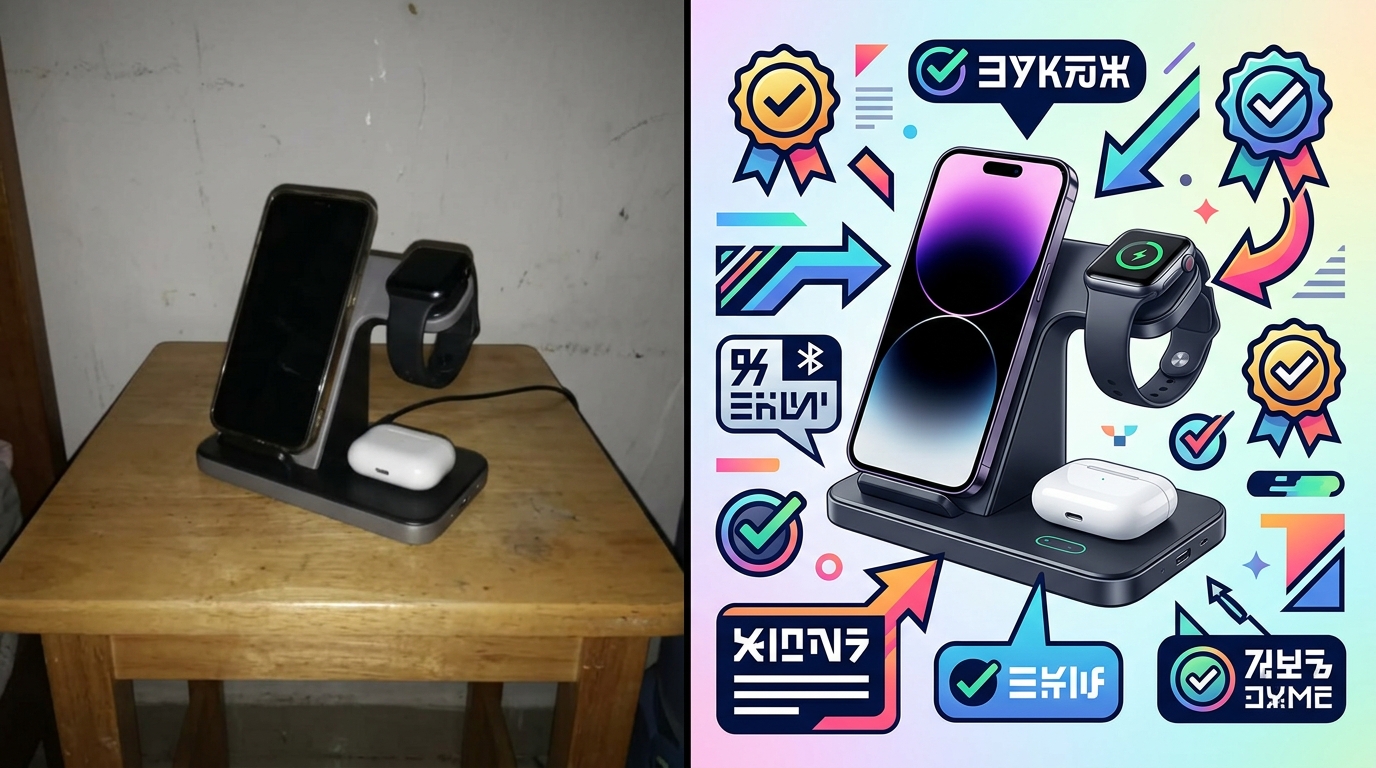
    Before and after listing image comparison

    Lighting Problems That Look Amateur

    Harsh shadows destroy the clean aesthetic that makes flat lay photography for ecommerce effective. Single-point lighting creates dramatic shadows that hide product details and look unprofessional. Invest in proper diffusion – large softboxes or umbrella lights that create even illumination across your entire shooting area.

    Mixed color temperatures create unnatural skin tones and inaccurate product colors. Window light mixed with tungsten bulbs gives everything a sickly green cast. LED panels with fluorescent room lighting create color shifts that require extensive post-processing to fix. Control all light sources in your shooting environment.

    Under-lighting forces higher ISO settings that introduce noise and reduce image sharpness. Dark, grainy images signal low-quality products to Amazon buyers. Add more light sources rather than pushing camera settings beyond their optimal range. Clean, bright images always outperform moody, artistic shots in ecommerce applications.

    Composition Errors That Confuse Buyers

    Cluttered arrangements overwhelm buyers and reduce conversion rates. Too many props, competing colors, or busy backgrounds force buyers to work harder to understand what you’re selling. Amazon shoppers make quick decisions – complicated images get skipped for clearer alternatives.

    Poor visual hierarchy leaves buyers confused about which item they’re actually purchasing. When multiple products appear similar in size and prominence, buyers can’t quickly identify the main product. Your hero product must dominate every composition through size, placement, and contrast.

    Inconsistent styling across your image set makes your brand look disorganized and unprofessional. Different color palettes, lighting setups, or styling approaches between images suggest poor quality control. Develop a style guide and stick to it across your entire product line for maximum brand impact.

    Technical Issues That Hurt Amazon Performance

    Wrong file dimensions prevent Amazon’s zoom feature from working properly. Images smaller than 1600 pixels don’t zoom, which reduces buyer confidence in product quality and detail. Larger images (2000+ pixels) also load faster on Amazon’s CDN and may receive slight SEO benefits in search rankings.

    Over-compression creates visible artifacts that scream amateur photography. Blocky compression around product edges or color banding in backgrounds immediately signals low production values. Find the balance between file size optimization and visual quality – usually 200-400KB for most product images.

    Color profile mismatches cause your carefully edited images to look different when Amazon processes them. Use sRGB color space for all final files. Adobe RGB or other wide-gamut profiles get automatically converted by Amazon’s servers, often shifting your colors toward magenta or green casts.

    Measuring Success and Optimizing Your Flat Lay Photography

    Key Performance Metrics for Image Testing

    Click-through rate (CTR) from search results tells you immediately if your main image attracts buyer attention. Track CTR changes after updating to flat lay photography. A good main image should achieve 0.4-0.8% CTR depending on your category and competition level.

    Conversion rate improvements measure the real impact of better photography on your bottom line. Compare 30-day conversion rates before and after image updates. Account for seasonal variations and PPC changes that might affect results. Professional flat lay photography typically improves conversion rates by 15-35%.

    Time on page and bounce rate indicate whether your images hold buyer attention long enough to read product details and benefits. Amazon Brand Analytics provides this data for registered brand owners. Longer engagement times correlate with higher conversion rates and better organic rankings.

    A/B Testing Your Image Strategy

    Test image order and placement systematically. Your strongest lifestyle or benefit-focused image might perform better as the second image rather than buried in position 5 or 6. Amazon allows 9 total images – use them strategically based on customer viewing patterns.

    Compare flat lay versus traditional photography in similar products. If you have multiple ASINs in the same category, test different photography approaches and measure results. The data will show you which style resonates better with your specific target market and price point.

    Mobile versus desktop performance requires separate analysis. Mobile shoppers interact with images differently than desktop users. Your flat lay compositions should work effectively at small thumbnail sizes while still providing detail when tapped for full-screen viewing.

    ROI Calculation and Photography Investment Decisions

    Calculate lifetime value impact rather than just immediate conversion improvements. Better images reduce return rates, improve review scores, and increase repeat purchase likelihood. A $400 photography investment that improves conversion by 25% pays for itself within 30-60 days for most established products.

    Factor in reduced PPC costs from higher conversion rates. Better-converting listings achieve lower ACoS at the same ad spend levels. If flat lay photography improves your conversion rate from 3% to 4%, your effective PPC costs drop by 25% while maintaining the same sales volume.

    Consider long-term listing performance improvements from professional photography. Higher conversion rates improve your organic rankings through Amazon’s A10 algorithm. Better rankings reduce your dependence on paid advertising over time, creating compounding ROI benefits that justify premium photography investments.

    Related Reading

    Related Reading

    Related Reading

    Related Reading

    Frequently Asked Questions

    How much should I budget for flat lay product photography equipment?

    A professional flat lay setup costs $800-1,200 for lighting, camera support, and backgrounds that will handle most ecommerce needs. This includes two 24×36 inch softboxes, boom arm, seamless backgrounds, and basic modifiers. Quality equipment pays for itself quickly through improved conversion rates and reduced reshoot costs.

    Can I achieve professional results with smartphone photography for flat lays?

    Modern smartphones can produce acceptable flat lay images with proper lighting and composition, but DSLR cameras offer better control and consistency. Smartphone photography works for testing concepts or limited budgets, but serious Amazon sellers see better ROI from dedicated camera equipment that ensures consistent results across product lines.

    How often should I update my flat lay product images?

    Update images when conversion rates decline, competitors improve their photography, or seasonal relevance changes. Most successful Amazon sellers refresh their main images annually and lifestyle images every 18-24 months. Track performance metrics to identify when image fatigue affects your conversion rates.

    What’s the biggest mistake sellers make with flat lay photography?

    Poor lighting setup causes 80% of flat lay photography failures. Sellers often use insufficient lighting or mixed color temperatures that create uneven illumination and color casts. Invest in proper softbox lighting before worrying about expensive cameras or complex styling – good lighting makes average equipment perform well.

    How do I style flat lay photos for products that don’t photograph well from above?

    Tall or cylindrical products benefit from 45-degree angle shots that show both the top and front surfaces. Use transparent acrylic risers or blocks to angle products toward the camera while maintaining the clean, organized aesthetic of flat lay composition. The key is consistent lighting and background treatment across all angles.