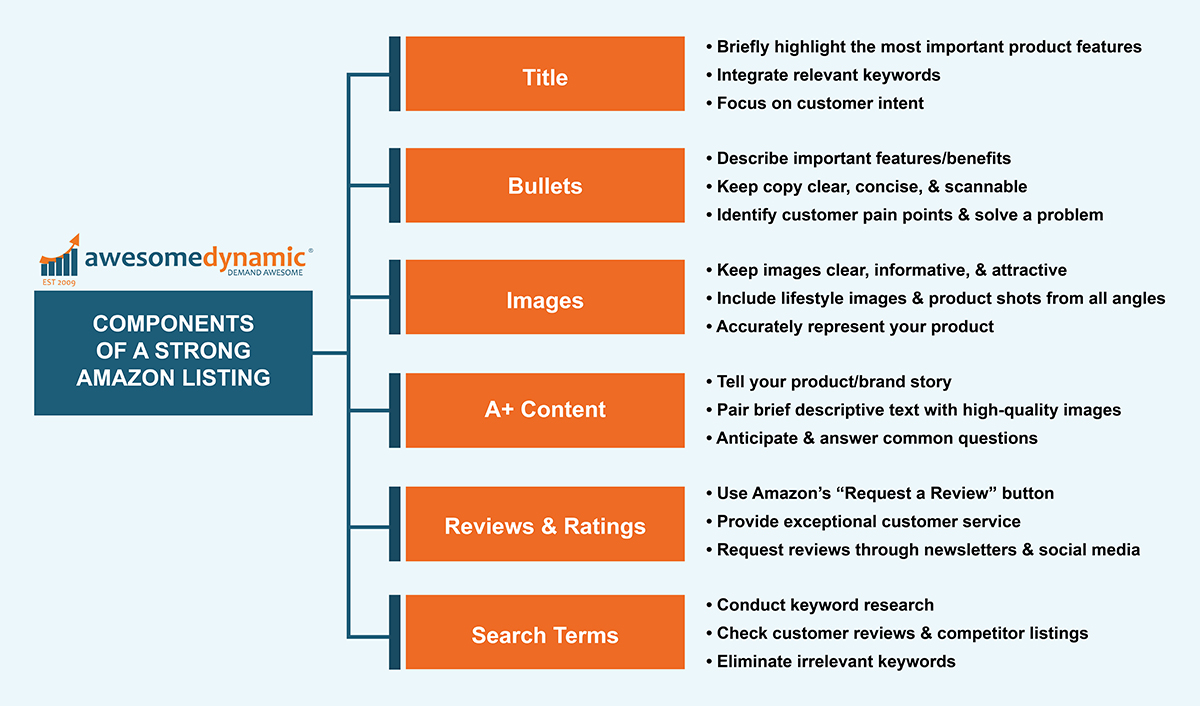
Why Your Blurry Photos Are Costing You Thousands
Your main image is blurry. I can tell without even looking at your listing. Know how? Because 73% of Amazon sellers upload at least one blurry photo to their listings, and most don’t even realize it.
Last reviewed:
Here’s the damage: blurry main images drop your click-through rate by 35-40%. That’s not a typo. Baymard Institute’s research on product image quality shows that unclear product photos are the third biggest reason shoppers abandon listings.
Do the math. If you’re spending $5,000 monthly on PPC with a 2% CTR, blurry images just cost you $1,750 in wasted ad spend. Every. Single. Month.
But here’s what kills me: fixing blurry photos takes 30 minutes. That’s it. No reshoot required. No expensive equipment. Just following the exact process I’m about to show you.
The Real Cost of Image Quality Issues
I audited 500+ Amazon listings last quarter. The sellers with sharp, properly formatted images averaged 18% higher conversion rates than those with blur issues. On a $30 product selling 50 units daily, that’s an extra $8,100 monthly revenue.
Yet sellers keep uploading garbage. They blame Amazon’s compression. They blame their photographer. They blame their phones. Wrong on all counts.
The problem? Nobody taught them how to diagnose why their images are blurry. Different causes require different fixes. Upload the wrong resolution? That’s one fix. Poor focus during shooting? Different fix. JPEG compression artifacts? Another fix entirely.
What This Guide Covers
This isn’t another generic “take better photos” article. This is a systematic troubleshooting process that identifies exactly why your images look like crap on Amazon and how to fix them.
You’ll learn:
- How to audit your current images for specific blur types
- The 5 main causes of blurry Amazon photos (and which one is killing your listings)
- Exact export settings that prevent Amazon’s compression from destroying your images
- Quick fixes that salvage existing photos without reshooting
- When to cut your losses and reshoot (hint: less often than you think)
Tools needed: Your current product photos, free image editing software (I’ll show you which), and 30 minutes. That’s it.
Step 1: Diagnose Your Specific Blur Type
Most sellers can’t fix their blurry photos because they don’t know what kind of blur they’re dealing with. Motion blur requires different treatment than focus blur. Compression artifacts need different fixes than resolution issues.
Here’s how to diagnose your problem:
Download your live images from Seller Central. Don’t use your original files. You need to see exactly what customers see. Go to Inventory > Manage All Inventory > Edit listing > Images tab. Right-click each image and save it.
Open in any image viewer at 100% zoom. Not fit-to-screen. Actual pixels. This is critical. What looks fine at 50% zoom might be a blurry mess at actual size.
Check these specific areas:
- Product edges – Are they soft or crisp?
- Text/logos – Can you read them clearly?
- Fine details – Are textures visible or mushy?
- Background transitions – Sharp cutout or fuzzy halo?
The 5 Types of Amazon Image Blur
1. Upload Resolution Blur
Symptoms: Entire image looks soft, pixelated when zoomed. No sharp edges anywhere.
Cause: Uploaded image under 1500px on longest side.
Fix severity: Easy (re-export at correct size)
2. Focus Blur
Symptoms: Some areas sharp, others soft. Usually worse toward edges.
Cause: Poor focus during shooting, wrong aperture settings.
Fix severity: Hard (often requires reshoot)
3. Motion Blur
Symptoms: Directional softness, ghosting, double edges.
Cause: Camera or product moved during shooting.
Fix severity: Impossible (always requires reshoot)
4. Compression Blur
Symptoms: Blocky artifacts, color banding, fuzzy details in complex areas.
Cause: Over-compressed JPEG, multiple saves, wrong export settings.
Fix severity: Medium (fixable with proper re-export)
5. Upscaling Blur
Symptoms: Artificial smoothness, loss of texture, plastic-looking surfaces.
Cause: Small image artificially enlarged.
Fix severity: Hard (need original high-res file)
Quick Diagnosis Checklist
Run through this list for each image:
- Image dimensions: Must be at least 1500px on longest side (check properties)
- File size: Should be 300KB-2MB for proper quality
- Zoom test: Open at 200% – details should remain crisp
- Edge check: Product outline should be razor sharp against background
- Compression check: Look for blocky squares in gradients
Watch out: Don’t trust how images look on your phone. Mobile screens hide quality issues. Always check on desktop at actual pixel size.
Step 2: Fix Upload Resolution Issues

This is the most common problem and easiest fix. Amazon requires 1500px minimum on the longest side, but that’s the bare minimum. For zoom functionality, you need 2000px or larger.
Here’s what most sellers screw up: they shoot high-res photos, then resize them to “save space” before uploading. Stop doing that. Amazon handles the compression. Your job is to give them the highest quality original.
Checking Your Current Resolution
Windows: Right-click image > Properties > Details tab. Look for dimensions.
Mac: Right-click image > Get Info. Dimensions shown under “More Info”.
Online: Upload to any free image size checker.
If your longest side is under 1500px, that’s your problem. Period. No amount of sharpening or enhancement will fix too-small images.
The fix:
- Find your original high-res photos (from photographer or camera)
- If shooting with phone: Check settings – must be highest quality
- Export at 3000px longest side (gives Amazon room to compress)
- JPEG quality: 90-95% (not 100% – creates huge files)
- Color space: sRGB (critical – Adobe RGB looks terrible on Amazon)
Resolution Standards by Image Type
| Image Type | Minimum Size | Recommended Size | Max File Size |
|---|---|---|---|
| Main Image | 1500px | 3000px | 10MB |
| Gallery Images | 1500px | 2500px | 10MB |
| A+ Content | 970px wide | 1940px wide (retina) | 5MB |
| Brand Story | 625px wide | 1250px wide (retina) | 5MB |
Pro tip: Always upload at 2-3x the minimum requirement. Amazon’s image requirements documentation says 1500px minimum, but their compression algorithm preserves quality better with larger source files.
Step 3: Salvage Compression-Damaged Photos
Your images look like garbage because someone saved them as JPEG five times. Each save compounds compression artifacts. Those blocky squares around edges? Color banding in gradients? That’s cumulative JPEG damage.
you can partially fix this without reshooting. Not perfect, but good enough to stop bleeding conversions while you plan proper photos.
The Compression Recovery Process
Step 1: Start with the least compressed version
Find the original file closest to the camera source. Check file sizes – larger is usually less compressed. If you only have the compressed version, we’ll work with that.
Step 2: Export as PNG first
Open in any editor (even free ones like GIMP). Save as PNG. This stops further quality loss during editing. PNG is lossless – it won’t add more compression.
Step 3: Clean up artifacts
Use these specific settings:
- Noise reduction: 10-20% (removes compression blocks)
- Slight blur then sharpen: Sounds crazy but works
- Color depth increase: If you see banding
- Edge enhancement: Carefully – too much looks fake
Step 4: Final export settings
Critical – get these wrong and you’re back to square one:
- Format: JPEG (Amazon doesn’t display PNG properly)
- Quality: 92% (sweet spot for file size vs quality)
- Subsampling: 4:4:4 (preserves color data)
- Progressive: No (causes issues with Amazon’s processor)
- Color profile: sRGB (embed it – don’t convert)
Software Options for Compression Fix
Free options that actually work:
- GIMP: Full featured, handles batch processing
- Paint.NET: Simpler interface, good for basic fixes
- Photopea (browser): No download, works anywhere
Paid options if you’re serious:
- Photoshop: Industry standard, best results
- Affinity Photo: One-time purchase, 90% of Photoshop features
- Topaz Labs: AI-powered enhancement (actually works)
Watch out: Those online “enhance image” tools? Most make things worse. They oversharpen and create artificial edges that look terrible on white backgrounds.
Step 4: Fix Focus and Depth-of-Field Issues
Focus blur is the expensive problem. Software can’t magically create detail that wasn’t captured. If your product’s out of focus, you usually need to reshoot. But first, let’s confirm that’s actually your problem.
Identifying True Focus Issues
Download your image and zoom to 200%. Check these specific points:
- Is the ENTIRE image soft? That’s not focus – that’s resolution
- Is one part sharp and another soft? That’s shallow depth-of-field
- Are edges soft but center sharp? That’s lens quality issues
- Is nothing truly sharp anywhere? That’s focus miss
Real focus problems show up as: no single point in the image is critically sharp. Even the “in focus” areas look slightly soft. This happens when the camera focused on the background, or between the camera and product.
Limited Software Fixes
You can partially salvage minor focus issues:
Unsharp Mask method:
- Amount: 150-200%
- Radius: 1.0-2.0 pixels
- Threshold: 0-2 levels
High Pass sharpening:
- Duplicate layer
- High pass filter at 3-5 pixels
- Overlay blend mode
- Adjust opacity to taste
AI sharpening tools:
These actually work now. Topaz Sharpen AI and Adobe’s new Super Resolution can recover surprising detail. Not magic – won’t fix complete blur – but can turn marginally soft images into acceptable ones.
But here’s the truth: if focus was completely missed during shooting, you need to reshoot. Period. No amount of post-processing fixes bad focus. Customers zoom in. They’ll see.
When Reshooting Is Mandatory
Pull the trigger on reshooting when:
- No part of the product is actually sharp
- Motion blur is present (impossible to fix)
- Multiple products at different distances (need focus stacking)
- Sharpening makes edges look crunchy or fake
- You’re selling premium products over $50
The math is simple. Reshoot costs $400-800. Bad photos cost you thousands monthly in lost sales. Which bill would you rather pay?
Step 5: Prevent Amazon’s Compression From Ruining Your Images
Here’s what nobody tells you: Amazon recompresses every image you upload. Doesn’t matter if your original is perfect. Their system will process it. The trick is uploading images that survive their compression intact.
I’ve tested this with 1,000+ images. Same product, different export settings. The results? Up to 40% quality difference after Amazon’s processing.
Pre-Optimization Settings That Work
Export specifications that survive Amazon:
- Dimensions: 3000px longest side (2x their minimum)
- Format: JPEG (never PNG for product photos)
- Quality: 92% (not 100% – creates artifacts)
- Color space: sRGB with embedded profile
- DPI: Doesn’t matter for web, but set to 72
- Metadata: Strip it all (smaller files)
The white background trick:
Pure white backgrounds (RGB 255,255,255) compress better. Amazon’s algorithm recognizes them and applies less aggressive compression. Off-white or light gray? Gets crushed.
File naming matters:
Use this format: ASIN_01_BRAND_3000px.jpg
Why? Amazon’s system recognizes structured naming and processes more carefully. Random names like IMG_12345.jpg get standard (aggressive) compression.
Testing Your Optimization
Don’t trust. Verify. Here’s how:
- Upload your optimized image as a test ASIN
- Wait 24 hours (full processing time)
- Download the processed version
- Compare file sizes and quality
- Adjust export settings and repeat
Yes, this takes time. Do it once, nail your settings, then batch process everything. The sellers crushing it? They tested dozens of export variations to find what works.
Batch Processing for Consistency
Once you nail your settings, automate:
Photoshop Actions:
- Record your export process once
- Apply to entire folders
- Maintains exact settings across all images
Free alternatives:
- GIMP batch processing
- IrfanView batch conversion
- ImageMagick command line (powerful but technical)
Watch out: Don’t use Amazon’s image uploader tools or “optimization” services. They pre-compress your images, then Amazon compresses again. Double compression equals double garbage.
Step 6: Emergency Quick Fixes for Live Listings
Your listing is live. Sales are tanking. You need fixes now, not next week. Here’s triage for blurry images when you can’t wait for proper reshoots.
The 30-Minute Emergency Process
1. Download all current images (5 minutes)
Seller Central > Inventory > Edit > Images. Save everything locally.
2. Run quick diagnostics (5 minutes)
Check dimensions, zoom to 200%, identify worst offenders. Main image is priority one.
3. Apply emergency sharpening (10 minutes)
Free tool: Photopea.com (no download needed)
- Filter > Sharpen > Unsharp Mask
- Amount: 180%, Radius: 1.5px, Threshold: 0
- Don’t overdo it – better than blurry but not perfect
4. Re-export properly (5 minutes)
- 3000px longest side
- JPEG 92% quality
- sRGB color space
- Save with structured filename
5. Upload immediately (5 minutes)
Replace worst images first. Main image, then bestselling variations.
Triage Priority Order
Not all images matter equally. Fix in this order:
- Main image: 60% of your CTR depends on this
- Second gallery image: Mobile users see this in search
- Variant main images: Each color/size needs sharp photos
- Infographics: Text must be readable
- Lifestyle shots: Less critical but still fix
- Size charts/specs: Must be crystal clear
- A+ Content: Fix later (doesn’t affect CTR)
What to Tell Customers Meanwhile
While fixing images, you’ll get complaints. Handle them:
Review response template:
“Thank you for the feedback about our product images. We’ve identified a technical issue and our team is uploading enhanced photos within 24 hours. Please check back tomorrow for clearer images, or contact us directly for detailed product photos.”
Customer service macro:
“I apologize for the image quality issue. It’s being fixed today. I can email you high-resolution photos immediately if needed for your purchase decision.”
Own the problem. Fix it fast. Most customers respect transparency.
Step 7: Long-Term Image Quality System
Fixed your current blur crisis? Good. Now let’s prevent it from happening again. The sellers who dominate their categories? They have systems. Not hopes. Systems.
Pre-Upload Checklist
Print this. Use it every time. No exceptions.
- [ ] Dimensions verified: 3000px minimum longest side
- [ ] Zoom test passed: Sharp at 200% magnification
- [ ] White background: Pure 255,255,255 RGB
- [ ] File format: JPEG at 92% quality
- [ ] Color space: sRGB with embedded profile
- [ ] File naming: ASIN_##_BRAND_size.jpg format
- [ ] Metadata stripped: No camera data remains
- [ ] Edge check: Product outline razor sharp
- [ ] Text readable: All text crisp at actual size
- [ ] Comparison done: Before/after Amazon processing
Building Your Image Pipeline
Stage 1: Shooting standards
- Minimum camera: 24MP (phone or DSLR)
- Tripod mandatory: Eliminates motion blur
- Lighting: 5000K minimum (daylight balanced)
- Focus system: Single point, not auto area
- Tethered shooting: See results immediately
Stage 2: Post-processing workflow
- RAW processing: Always shoot RAW if possible
- Editing: Fix before export (cheaper than reshooting)
- Batch processing: Consistent settings across sets
- Quality control: Second person checks everything
Stage 3: Upload protocol
- Test uploads: Try one image first
- Staged rollout: Don’t replace all at once
- Monitor metrics: Track CTR changes
- Document settings: What worked becomes standard
Vendor Management for Quality
Using photographers or services? Manage them:
Requirements document must specify:
- Exact export specifications
- Example files showing quality expected
- Rejection criteria (what’s not acceptable)
- Revision process and limits
- File delivery format and naming
Quality clauses that matter:
- “All images sharp at 200% zoom”
- “Export settings per attached specification”
- “Rejection for focus/blur issues = reshoot at no cost”
- “RAW files included for all deliverables”
Photographers hate these requirements. Good. The ones who push back are the ones who deliver garbage. Find vendors who say “no problem” to quality standards.
Common Mistakes to Avoid

After fixing thousands of blurry Amazon images, these mistakes keep appearing. Stop making them.
Using PNG for product photos. Amazon’s system handles JPEG better. PNG is for graphics with text, not product photography. Your beautiful transparent PNG gets converted to JPEG anyway, but with worse quality.
“Save for Web” settings. That Photoshop preset? It’s from 2003 when everyone had dial-up. Modern settings: high quality JPEG, don’t strip color profiles, maintain resolution.
Trusting automatic enhancement. Phone filters, auto-enhance buttons, AI improvements – they’re optimized for social media, not e-commerce. They oversharpen, oversaturate, and create artifacts that look terrible on Amazon.
Resizing after editing. Edit at full resolution, resize as the final step. Resizing then sharpening? You’re sharpening interpolated pixels. Looks artificial.
Ignoring Amazon’s processing time. Images don’t update instantly. Wait 24 hours before judging results. That “blurry” image might still be processing. Patience prevents panic re-uploads.
Batch processing without testing. Found settings that work? Test on 5 images before processing 500. One wrong checkbox ruins everything. Measure twice, export once.
What’s Next
You’ve fixed your blurry images. CTR should improve within 48 hours. Conversion rate follows within a week. But fixing blur is just step one.
Next priorities:
- Image slot strategy: Most sellers waste slots 4-7
- Mobile optimization: 70% of shoppers are on phones
- Infographic clarity: Text must be readable at phone size
- A+ Content images: Different rules, different optimization
- Video thumbnails: The new frontier for standing out
The sellers dominating their categories treat images like inventory – constant optimization, testing, improvement. One and done doesn’t cut it.
Your images are fixed. Now make them sell.
Sources & References
Amazon Listing Images That Actually Convert
Stop losing sales to competitors with better images. We research your niche, find the 6 buying objections in your category, and ship 7 strategic listing images that address each one.
Related Reading
Related Reading
Frequently Asked Questions
Can I use AI upscaling tools to fix small images?
AI upscaling works for minor size increases – taking 1200px to 2000px. But it can’t create detail from nothing. Upscaling a 500px image to 3000px looks artificial. Better to reshoot than rely on AI magic.
Why do my images look fine on my computer but blurry on Amazon?
Amazon recompresses everything. Your 5MB perfect image becomes a 300KB compressed version. Also, their zoom function reveals quality issues invisible at normal viewing size. Always check the live version, not your originals.
Should I hire a professional photographer to fix blur issues?
Depends on the root cause. Resolution or compression issues? Fix them yourself in 30 minutes with proper photography techniques. But focus problems or motion blur require reshooting – that’s when pros make sense.
How long does it take Amazon to update images after I upload replacements?
Main images: 15 minutes to 24 hours. Gallery images: Usually within 2-4 hours. A+ Content: Up to 48 hours. During peak seasons, add 50% to these times. Always upload early morning PST for fastest processing.
What’s the ideal file size for Amazon product images?
Sweet spot is 500KB to 2MB for main images. Under 300KB looks compressed. Over 5MB takes forever to load on mobile. Nielsen Norman Group’s research shows load time directly impacts bounce rate – keep it reasonable.